



Insights · Research
Multilingual Website and App Translation Research
Original studies on multilingual website and app translation, localization, and search. Latest: Hreflang Benchmark 2026, measuring hreflang on 5,845 confirmed multilingual sites from The State of the Multilingual Web 2026 crawl.
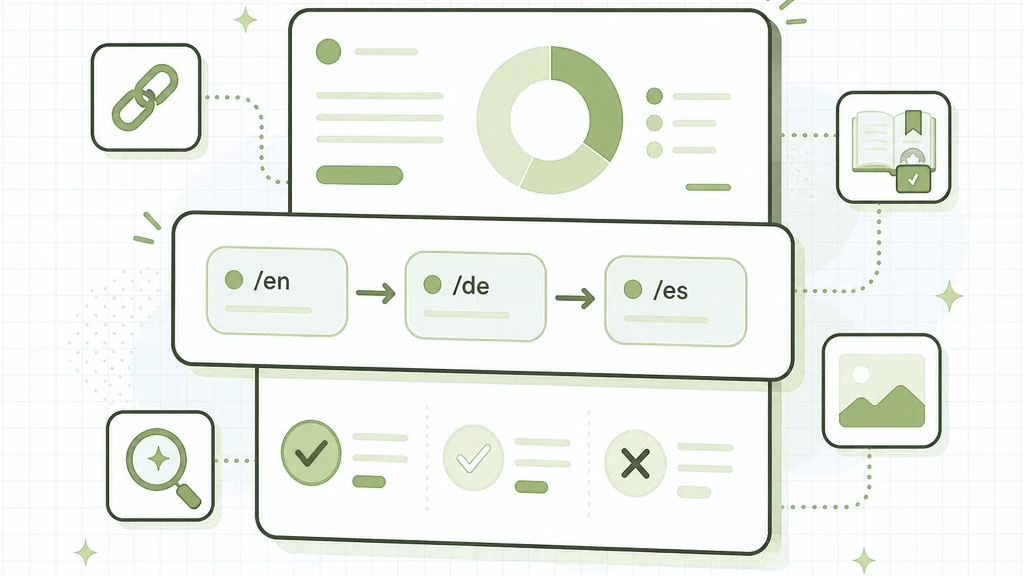
Hreflang Benchmark 2026
Original GlotEO research benchmarking hreflang adoption and implementation across 5,845 confirmed multilingual websites, including reciprocity, self-references, x-default, implementation methods, site scale and URL architecture.
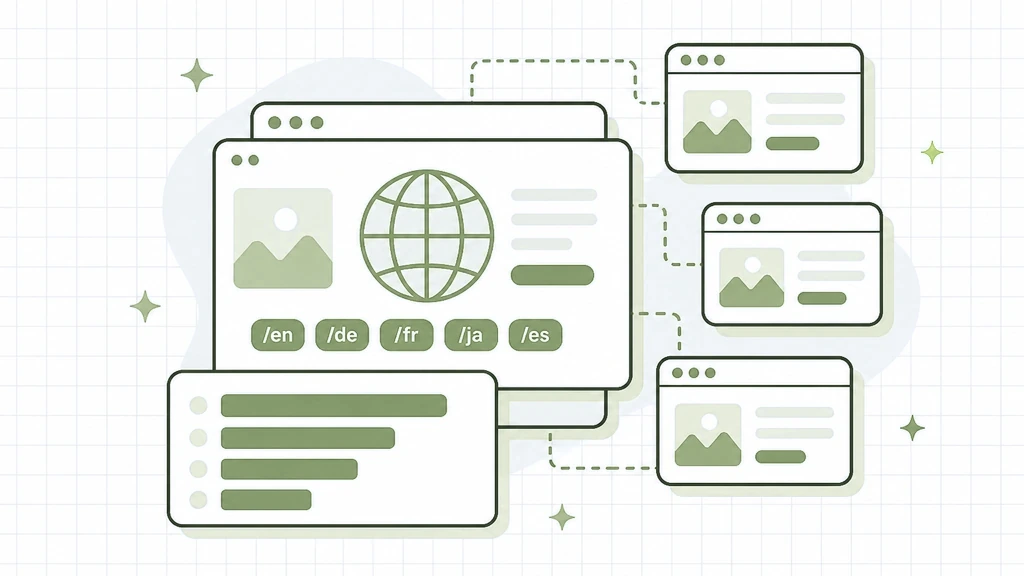
Multilingual website and app translation research topics
Website and app translation quality
How AI website translation and app translation, human review, and MTPE compare on accuracy, consistency, and review effort.
Multilingual SEO
Hreflang, localized URLs, and metadata practices that help multilingual website language versions rank without cannibalizing each other.
Localization outcomes
When translation is enough, when localization of copy, currency, and media changes conversion, and how teams measure the gap on websites and apps.
AI search in every language
How multilingual website and app content is cited in AI overviews, answer engines, and generative search across markets.
A home for multilingual website and app translation research
Teams translating websites and apps need evidence, not slogans: which quality bar is worth the review cost, how hreflang and localized URLs change discovery, and whether localization—not only translation—moves conversion. GlotEO research publishes that evidence here.
Current papers includeHreflang Benchmark 2026, measuring hreflang on 5,845 confirmed multilingual sites, andThe State of the Multilingual Web 2026, a crawl of 25,005 major websites. Use the GlotEO blog for practical guides on multilingual SEO, website translation, app translation, and localization.
What website and app translation research measures
Papers look at website translation and app translation as an operating system, not a one-off file export. That includes glossary control, translation memory, human review, and how quality holds as you add languages. We separate marketing claims from methods you can cite.
Localization and multilingual SEO research sit beside that work: crawlable language versions, reciprocal hreflang, translated metadata, and URL architecture that search engines can understand. Related product context lives on website translation,app translation, andwebsite localization.
Related reading
Multilingual website and app translation research FAQ
Is GlotEO multilingual website and app translation research available yet?
Yes. The hub currently publishes The State of the Multilingual Web 2026, a crawl of 25,005 major websites, and Hreflang Benchmark 2026, which measures hreflang adoption and implementation quality across 5,845 confirmed multilingual sites from that study.
What does GlotEO translation research cover?
Work focuses on website translation and app translation quality, localization versus translation, multilingual SEO (hreflang, localized URLs, metadata), and how multilingual content performs in AI search.
How is research different from the GlotEO blog?
The blog publishes practical how-to guides on multilingual website and app translation and localization. Research publishes methods, measurements, and findings you can cite, including frozen datasets where a paper includes them.
Will the research be free to read?
Yes. Studies published on this hub are free to read on gloteo.com. We will say clearly if a paper uses restricted data or needs a separate download.
Can I contribute a multilingual translation or localization study?
If you have a research collaboration, dataset, or question on website translation, app translation, or localization, contact GlotEO. We welcome rigorous, citable work.
Start translating with the research in handTry GlotEO for multilingual website and app translation and localization.
Try For Free Read the paper